Showing posts with label heroine. Show all posts

Tuesday, August 9, 2016

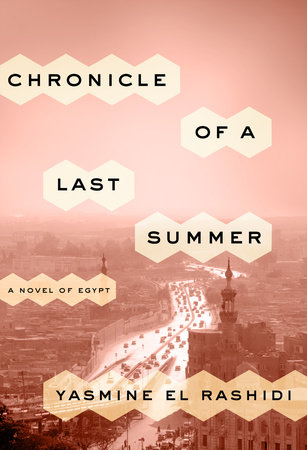
Librarything Giveaway Review: Chronicle of a Last Summer

Author: Yasmine El Rashidi
Genre: Memoir
Pagecount: 232 (epub)
Warning: Death, References to torture, imprisonment, suicide
Rating: 4.5/5

"Chronicle of a Last Summer" records the impressions of the narrator during three pivotal summers in Egypt, 1984 when she is eight years old, 1998 and 2014. The prose captures the fundamental feelings and limits to her expression (especially at eight) without being painful to read. More importantly Rashidi expertly illustrates the interlaced emotional journey of the narrator as her opinions about what loyalty, country and home juxtaposed with a culture that values stability above most everything else.

I loved this book. The language was easy to read, but I think I'll be grappling with it's meaning for years to come. It's a beautiful look into a world I'd never seen before. I encourage you to check it out!

Sunday, July 31, 2016

Librarything Member Giveaway: Chaos Season


Author: Sandra Ulbrich Almazan
Genre: Fantasy, YA
Pagecount: 232
Warning: Parental Abuse, Transphobia, Homophobia, Bad Flirting
Rating: 2/5

This is a continuation of the story featuring the newest incarnation of the avatars of the seasonal gods and their never-ending quest to counter the devastating Chaos Seasons and protect the land of Challen. I hadn't read the previous books in the series but this one picks up after the next avatars had struggled to find each other and were now finally able to get down to the momentous task of taking over as Season Avatars from their predecessors, this time with a time traveler who remembers the villain who created the Chaos Season from personal experience.

I want to say I thought this was an okay book story-wise, but I would not recommend it. My opinion isn't because of the premise, which as listed above is appropriately epic. It's not so much because of the characterization of the four main characters and their interactions, which was reasonably good, especially considering I had missed at least one book of backstory. It wasn't even because of the main character, who I could not find a way to like. I will admit to finding the iterations between men and women incredibly hard to follow, but that is unrelated to the majority of my rant.

Reading this book was like pulling fucking teeth for me because of the gender and sex politics implicit throughout it. The book was set in a Victorian Era analog with magic, but the politics were kind of a mash-up of then and some of the crappiest stuff from modern times. I could not handle
that there was very little evidence of overt discrimination, but all of the society was still clearly structured in an extremely sexist, homophobic way. More than that, the existence of trans people was just disappeared. It felt like the worst example of political correctness, like if maybe we didn't talk about bad things happening they don't count.

Rant to follow below the break.


Thursday, June 30, 2016

Librarything Member Giveaway: A Natural History of Hell

Author: Jeffrey Ford
Genre: Horror, Supernatural
Pagecount: 281 (ebook)
Warnings: Death, Murder, Violence, Rape, Dismemberment, Domestic Violence, Dolls, Spooky shit, Kitchen Sink
Rating: 4/5

"A Natural History of Hell" is a collection of short stories that span a remarkable range in location, time period, genre and atmosphere. They all have a supernatural theme, but I was genuinely impressed and how wide and varied the flavor of stories spanned. The only consistency is the austere language. The prose was clearly written and easy to read, even when the events of a particular story were on the edge of what I could handle. This kept what could have been wildly divergent moods from giving me emotional whiplash (in other words, I liked it).

This lovely collection of stories are clearly the culmination of many skillful experiments into a multitude of literary traditions that were pleasurable to read with nary a dull moment.

Since I have very little that can be said about the entire collection together aside from how widespread it is, the meat of this review are short opinions on the individual tales.

The Blameless: A surprisingly sweet story of a married couple attending a coming of age ceremony for their neighbor's daughter, specifically her exorcism. An okay short, but interesting to me largely as an example of gendered emotional labor.

Word Doll: Creepy in the way only dolls can be, made of words or otherwise. Reminded me of the midwestern folk horror that the TV show Supernatural does so well. Perhaps my favorite story of the collection.

The Angel Seems: Some truly weird supernatural events, kidnappings, extremely creative deaths and a plethora of (presumed) good old fashioned rape. I have very mixed feelings about this story, because so many ladies get raped that it becomes mundane (that's gross as fuck), but the ending is by far the best ending any story can have. Mixed!

Mount Cherry Galore: This is a coming of age story with some more magical elements included than usual. I admit this one was nice but didn't stand out for me.

A Natural History of Autumn: A young yakuza meets a hostess and has a very trying adventure in the mountains. It was a nice surprise to see a local folk horror story from a completely different tradition. I think my only point of comparison for this was Kwaidan so I can't tell you how faithful it was to Japanese horror, but I definitely had fun reading it.

Blood Drive: By far the scariest story for me, since this year it hits a little too close to home. Think of this as the Handmaiden's Tale but for the NRA instead of evangelical christians.

A Terror: In April of 1862 Emily Dickinson wrote a letter to a friend in which she said "I had a terror since September...". Ford imagines what she experienced. I liked this story because it diverged in tone from the other stories; in deference to Dickinson it was more fantastical and lyrical, which was delightful.

Rocket Ship to Hell: One author relates the strange tale of his trip into space to two of his fellows in a dimly lit bar. This one is a call-back to golden age sci-fi, with all of it's bad science, shady old men and sexism. Hard pass for me.

A Fairy Enterprise: A Victorian entrepreneur hits on a new business venture, and it doesn't go at all to plan. This was a nice palette cleanser for me, a pleasing mix of English fairy tales and Charles Dickens.

The Last Triangle: A down on his luck drifter is welcomed into the life of an older woman with some very dangerous secrets. Another nice story, a little like the John Constantine comics in that all of the characters are both flawed and magical.

Spirits of Salt: A Tale of the Coral Heart: The tale of a man with a legendary sword and the badass women in his life. I wish I knew what literary tradition this story was from. I'm leaning towards far east, maybe India, but I couldn't say for sure. I liked the way the story was told, and the main characters were all super cool. I would love to read more like it!

The Thyme Fiend: After a young man discovers a body in a well, he can't stop seeing the ghost of Jimmy Tooth unless he drinks thyme tea. There were some very dreamlike aspects to this story and I couldn't help falling into them. I found it deeply engaging, would recommend.

The Prelate's Commission: A talented young artist is commissioned by the local prelate to paint a true picture of the devil. While I usually delight in religious iconography, this was one missed the mark. I got the impression it could have been fleshed out into a full length novel, since this version was a bit rushed.
Saturday, May 14, 2016

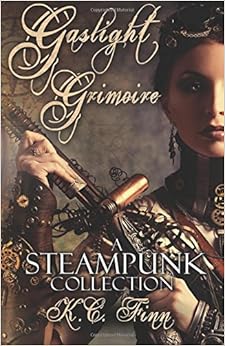
Librarything Member Giveaway Review: Gaslight Grimoire

Author: K. C. Finn
Genre: Steampunk
Pagecount: 176
Warnings: Death, Enslavement, Violence, Racism, Sexism
Rating: 3/5

"Gaslight Grimoire" by K.C. Finn is a collection of short stories that effortlessly combine elements of steampunk and dark fantasy in a wide variety of settings and circumstances throughout the late 19th century. The premise of each story is unique while maintaining a misty, clanking atmosphere.

There are a total of twelve stories, and while I enjoyed all of them, there were two that stood out as my favorites, "Master Mind" and "Mira and the Maw". The thread that links them is what links almost all of these stories: a fantastic premise and a good atmosphere. "Master Mind" is centered around a historical machine called the Turk, with an ending that I refuse to ruin but fit perfectly. "Mira and the Maw" on the other hand centers around Mira, a 'steampunk zombie hunter' as referenced in the foreword, who is basically Girl Genius (and also an actual girl genius). It's one of the slower builds in the collection, which gives us time to look past the flashy aspects of the story and take in the characters, so when the tale concludes you're invested in Mira surviving and possibly outshining Buffy.

As far as a general opinion of the collection I'm of two minds. As I said, I think the strongest aspect of the anthology is it's atmosphere. All of the stories have a similar feel, which does a great job using the outlandish premises and varied locales of steampunk and combining them with the equally fantastic premises and bleak morality of dark fantasy. It can be a bit much for someone who doesn't like one of these genres a great deal, but if you're willing to go along on some truly weird adventures it's a wonderful read. Settle down on a rainy day and gobble these twisted fairy tails up!

However be warned, the characterization in these stories is definitely a weaker aspect. I liked a few characters, like Mira from "Mira and the Maw" and Galileo from "Galileo's Mistake", but during most stories I wasn't attached to anyone. That's hardly surprising, it's damned difficult to get invested in a character when you have maybe 10 pages with total. In any individual short story I don't mind that much either, as they don't last long. But for me it was a consistent problem, that when I peered behind the flashy scenes I found... one dimensional people.

Now for the a more general nit-pick: I try not to do this with every book because it's exhausting, but while I was reading I started noticing the cast list was a looking a bit sausage-y. How sausage-y you ask? By my count 23% of the narrators and 25% of the speaking characters are women, which can't be good for a species that pair-bonds. In addition about 10% of the speaking characters are POC, which would be reasonable for the UK in 1900, but not for 2016. I don't mean to notice it, but once I know a book's cast skews that white and dudely for no reason it takes away from my enjoyment of a book a bit. I start wondering what happened to Victorian steampunk world that they have such a shortage of women. How will the human race repopulate? Why is no one talking about the obvious racial apocalypse? And if this was just oversight on the author's part, why are fairies and steam-powered hearts okay but altering the racial and gender politics of the 1900's isn't?

Sunday, May 8, 2016

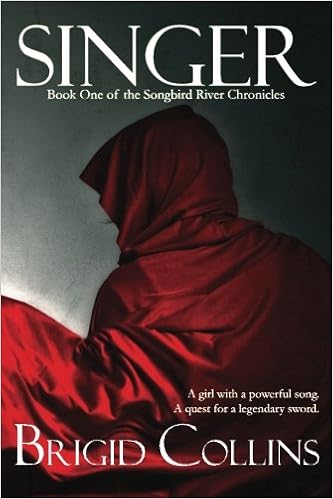
Librarything Member Giveaway Review: Singer

Author: Brigid Collins
Genre: Fantasy/Sci-fi/YA
Pagecount: 204
Warnings: Death
Rating: 4/5

I'm so pleased with how this story came together, especially the last third of the book!

"Singer" by Brigid Collins starts out as the adventure of the eponymous character, a woman who would be mute if she couldn't sing the most beautiful wordless melodies. Singer teams up with a ragtag group of adventurers on their way to plunder the mysterious depths of the bluntly named "Nameless City", to which she is inexplicably drawn. As they travel through a place so old that everyone who has ever lived there is dead with their bones turned to dust, it becomes clear it's every bit as dangerous as predicted. And the storytelling and imagery remains excellent right up to the finale.

Admittedly the action starts slowly, and during the first few chapters I didn't quite know why I kept reading. However it was easy prose, well worth continuing, as my empathy towards the characters grew organically as a result of the pacing. By the time the threats start showing up deep inside the Nameless City you're invested in everybody, so I would say the pacing works out well enough. Besides which I want to give credit where credit is due and recognize that the monsters were fuck-off scary and I feared for character's lives, so good job there. I'm hesitant to spoil anything, so it the most vague terms I'll say my personal experience as a computer programmer was irked by a plot point. It was bad, but it wasn't "Hackers" bad.

Ah, seriously. All you really need to know is that Collins spun a good tale. You know how sometimes, after reading a book, you just sit back with a sigh of contentment and think "that went exactly how it should have gone"? Fairy tales in particular often end with the reader content that all the foreshadowed events happened and all the seemingly disparate threads have been tied together? That's how this book left me, and I loved it.

Actually I was a little panicked as I neared the end; I firmly believe Singer's world should be way better explored, but I hear there is a sequel, so that solves that!

Monday, March 28, 2016

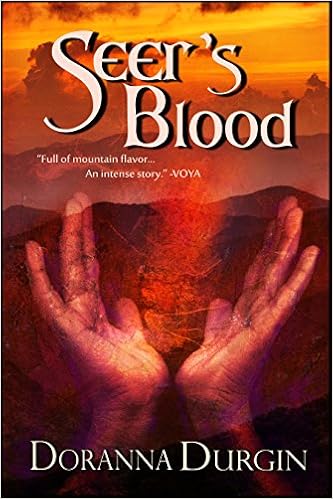
LibraryThing Review: Seer's Blood


Author: Doranna Durgin
Genre: YA
Pages: 310
Warnings: Death, torture
Rating: 3/5

Doranna Durgin's novel "Seer's Blood" follows feisty mountaineering outcast Blaine who follows enigmatic newcomer Dacey on a daring coming of age journey to save her family and her home. Blaine has been haunted by troubling dreams when she sees a large group of strangers camping out near her family's homestead. Not too long after a curious man, Dacey, brings warning of an ancient enemy. Blaine, armed with the incomplete knowledge of the long-lost seers, eventually allies with Dacey and his frankly awesome dogs, they learn, grow, rally their strength and lead an epic ass-kicking charge.

I wanted to love this book, I really did. It had a shadowy, possibly novel magic system, a straight up awesome villain, a solid heroine and a good dynamic between the two main characters. It had dogs, written well! So much potential, and instead of doing anything revolutionary Durgin meandered through the plot. Which is to say the climax was well done, but I was a little upset because it could have been so much more expansive in scope.

Like I said, there were things I liked a lot. The most fantastic part for me was the realistic portrayal of the rural setting. Durgin wrote about collecting greens several times in this story and the attention to detail (use of an herb garden, references to the greens wilting in less than a day, etc) was excellent. I felt confident that she either knows exactly what she's talking about or has a fine eye for detail. I felt the same way about the characterization of the dogs throughout the book, and especially the mutual affection between Dacey and his pack. It's realistic and adorable. I also liked how the main characters, Dacey and Blaine, built a richer relationship organically over the course of their adventures. I personally struggled a little with the local dialect all the characters spoke in, but I think that worked effectively to make the setting in the story distinct and believable. In fact, most of the character interactions in "Seer's Blood" both felt real and effective in moving forward the plot.

My biggest frustrations with this book were what I saw as missed opportunties. This book has several elements of solid storytelling, and a premise ripe with mystery. There's an extremely non-standard villain type with a novel form of consciousness, for cripe's sake! So, here we have the makings for a truly epic showdown between two ancient powers, like "Return of the Kings" epic. However the finale for this story was (no spoilers provided herein) good, but commensurate with "The Fellowship of the Ring". I read the ending and was so convinced that it was part of a series I googled "Seer's ring trilogy", and only after about the third website confirmed this book was stand-alone did I accept it was true.

Additionally, and I admit this is just me, I wanted to see more made of the villain. The Annektah are a multi-minded being that can exist without physical form, but prefer to override body's consciousness and experience it's host's emotions. I was really hoping that Durgin would take advantage of the opportunity to create a legitimately alien mind, kind of like the Oankali from "Liliths' Brood" (a good round-up of the themes and a description of the Oankali here). Instead the Annektah come off as incomprehensible to humans, not because they have a foreign ethical system, but because their cruelty reaches mustachioed kidnapper levels.

Tuesday, February 23, 2016

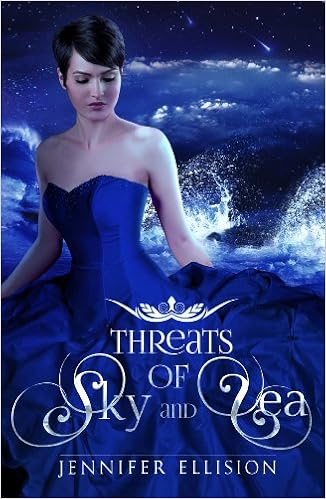
Review: Threats of Sky and Sea

Author: Jennifer Ellison
Genre: YA
Pages: 263
Warnings: Death, sparkles, tropes
Rating: 3.5/5

"Threats of Sky and Sea" by Jennifer Ellision is about Breena Rose, a secretly talented, feisty and gorgeous young woman on the cusp of adulthood who is being seriously underutilized as a barmaid. She has a run-in with some unsavory folks and discovers her daddy has been hiding her away from the world these last 16 years, and now she is to return to court and learn how to be a lady, kick ass at magic, meet a handsome prince all while trying to free her father. I gotta say, the lady keeps busy!

So before I say anything else, I have to state that I had fun reading this book. It was cute like a little puppy. I am going to see about getting the second one on my own steam.

As I have seen it mentioned, this book hits several YA adult tropes. That's accurate, it's plot points in bullet form read like a lot of other YA fiction. However these are feel-good story elements that are repeated so often because people like them. For example, the young woman in peril who takes charge of her own destiny is a trope I can get behind, no questions asked. Puberty being a time when magic blossoms and destinies are discovered sounds way cooler than the average high school experience. What's more notable to me are the tropes not taken. Ellison slips right around creating a love triangle, which makes me so happy words can not express. She also puts together her own magic system, to which I have a major weakness. Plus she doesn't shy away from killing off a character or two, which is a requirement for me to respect a book.

She also maintains an air of suspense around some of the major plot points. There's a lot left unexplained about the world, the magic system, and (to a lesser extent) Breena's past. It's likely this is a result of this being part of a several book long series, but regardless of the reason it's important to leave readers wanting more in any story. Ellison delivers in this respect. I don't just want to know what happens next, I'm curious about Neridium and the factors that determine one's magical element (crossing my fingers it's like how amphibians determine sex).

I do have a few less than complimentary points I want to raise though. Ellison spends more time explaining things that should be left to the reader to figure out. My impression is that the inexperience of the main character, Breena, is a convenient mechanism to enable explanations about the setting to the readers. It means we get paragraphs describing things like how the magic system works in the abstract in Breena's internal narration, as well as how Breena feels about it. To a lesser degree it means she acts as a stand-in for the audience to express confusion as to why things are the way they are. It makes everything feel a little flatter than it could. I would have liked to see more effort made to teach readers about a world the same way they learned about this one: through context and a certain amount of sassing one's elders. I chalk that one up to Ellison's inexperience as a professional writer, which means I look forward to seeing how her writing will mature.

Like a said, cute like a puppy. It's a nice story with accessible prose and I'm interested in seeing how everything develops.

Friday, May 23, 2014

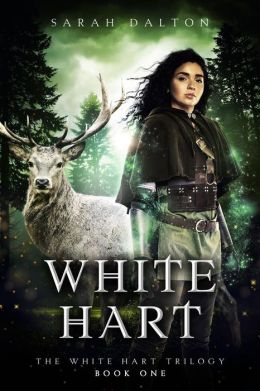
LibraryThing Member Giveaway Review: White Hart

Author: Sarah Dalton
Genre: Fantasy
Pages: 220
Warnings: Violence/Character Death
Rating: 3/5

"White Hart" is the story of Mae Waylander, a mysterious young woman with the power to control nature and her faithful companion Anta. However her powers are in high demand, and when a local girl Ellen is kidnapped after pretending to wield Mae's powers, she reluctantly accepts the help of  Prince Casimir and they follow her into the Waerg Woods. Along the way they discover the woods just as dangerous as they've been warned, and there are more secrets hidden behind the trees than they could have suspected.

This is a good story with several emotionally complex, interesting characters. Mae, Casimir and Sasha are all a good blend of strong and able to depend on other people. All three of them are capable of some very badass action, but they also all have some internal struggles that makes it hard for them to respond to all threats. I appreciate the sense of realism that lends to the story, especially since despite everything else, they are all pretty young. In addition, there's a small amount of romance in the story, but it takes a major backseat to the action, which I was fine with.

In general I thought this was a solid YA fiction story. They plotline slows down a little in the middle of the story, but picks up again after Mae does some soul-searching. Most of the individual action scenes were well-written, and they carried the story well. It was a nice, easy read, but it kept me interested. However I don't think it would appeal much to someone who doesn't already enjoy YA fiction and magic.

What was especially interesting to me from a gender representation perspective is that even though women were overrepresented in the main characters (2:1), the overall gender breakdown was still slightly more in favor of dudes (11:15). There weren't a lot of characters in this story because most of the book is set in the middle of a forest. Therefore the disparity could be a coincidence, but I'm not entirely convinced. Maybe if I find a considerable amount of books that go the other way?

On another note, several of the characters were significant to the plot but weren't given names, so I kept track of all characters, regardless of how well they were named. I also kept track of any character that had a name even if they didn't appear in the story, like Mae's mother, who while dead during the book played a significant role in the main character's upbringing. Either way the ratio was quite similar, so I'm going to try and follow my previous standard, characters that are named (even if not with exact names, anything more complicated than "the woman"), alive or dead.
Graphs, motherfucker. Do you read them?


Monday, January 30, 2012

Member Giveaway Review: Secrets and Lies

Author: Tracy James Jones
Genre: Fiction, Slightly Erotic Fiction
Pages: 158
Warnings: Grammar Carnage, transphobia?
Rating: 2/5

This novel follows the lives of Ken Jordan, Cami Vargas, Ulanda Jefferson and Bren Searcy as they unravel the secrets they each keep. The novel starts with Ken and Cami having an affair, which Cami confides to her best friend, Ulanda. However it turns out that Ken's affair happened right before he proposed to Bren, and Ulanda and Bren have a close relationship of their own. Throughout the book, these four characters reveal to each other some secrets you know about and some you don't.

 My first feeling upon finishing this book was that there was something slightly wonky about the plot. In actual chronological order, Ken and Bren are highschool sweethearts, but Ken breaks up with Bren because he's a jock. Bren parents Ulanda with a different person (not a major character). Several years pass, Bren gets back together with Ken. Cami and Ulanda become friends. Ken cheats on Bren with a lot of people, including Cami, then asks Bren to marry him. Cami gets pregnant and gives the baby to Ken's parents. Bren gets upset about this and goes back to her hometown to talk with Ulanda about all of this, and then Bren meets Cami. None of these plot devices are unbelievable, but they do seem extremely ridiculous when taken together. Or at least, they are the actions of rational actors who I can not empathize with at all.

In addition I was freaking offended by the treatment of Ulanda's bio-mom. Apparently Bren got pressured into sex with a trans man, which was probably rape. However no one could be damned to used the right pronouns, or treat him with any decency. This was especially startling to me after the attempts made to treat Bren, a trans woman, with respect. Apparently you only have to respect the rights of trans people you like.

This book just didn't grab me. I couldn't convince myself to like the characters, with the exception of Ulanda.  I can't suggest this book to you unless you like cheesy romance novels.

Saturday, January 21, 2012

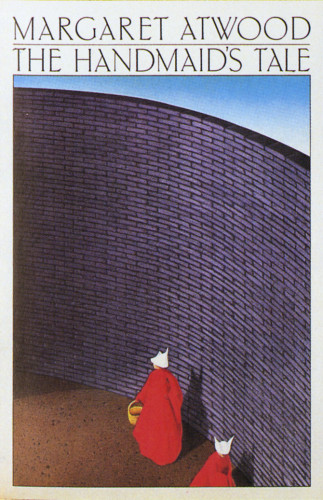
Review: The Handmaiden's Tale

Author: Margret Atwood
Genre: Distopian Future Fiction
Pages: 324
Warnings: Holy shit, so much.
Rating: 4.5/5

"The Handmaid's Tale" by Margret Atwood is set in a dystopian future where a fanatical religious organization has taken over the US government and enforce a restrictive hierarchy. The main character, Offred, is one of the few women left in the country who can successfully reproduce, so she's been forced into servitude. This novel is her fictional first-hand account.

There is so much I love about this novel, I have trouble picking a place to start. If there was a gun to my head, I would start with just how fucking scary this novel is. There is such horrific dehumanization of every woman in the world Offred lives in this world that I shudder to imagine something thinking about me (and my female ass) that way. We don't even know the main character's name: Offred is literally "Of Fred", Frederick being the head of her household. She has no humanity outside of being a keeper of his sperm. That is pretty damn scary, until you consider how everyone deals with this enormous decay in women's rights. They just go on. All of the characters are trying to just get through the day, and they do that by pretending all the horrible things being done to them and the people doing those things to pretend the all the horrible things being done to them by real people are just happening. Once you realize how easy it would be for people here and now to ignore on that scale, you start waking up in a cold sweat.

There's also something really amazing about Offred's narration style. Some authors find the first person perspective to be stifling, because the scope of one person is often to small to encompass the plot. Atwood doesn't fumble around trying to get Offred to listen in on the right conversations to find out what Old Man River is up to, she incorporates the supposed limitations of the 1st person narrative into her story. Only being able to see what Offred sees, we're trapped looking between the confines of her habit, and the claustrophobia a reader feels is not unlike her's. Every aspect of Offred's narrative, from her hesitant grasp on reality to the tiny window of the world she can see, is finely crafted to put the reader in her painful shoes. It's wonderful so see a story where there is not a wasted word.

I can't get enough of this book, and I expect you won't either. I won't lie to you and pretend it's an easy read, since the narrative style is intentionally a little frustrating. However this is one of those books where the feeling you get when everything Atwood has orchestrated comes together is well worth any discomfort you felt along the way. This book isn't just a good read, it's got a lot to consider about human nature at it's tasty center. And if that stirring endorsement doesn't encourage you, realize this is a realiatively short book, so dig in. 

Sunday, January 8, 2012

Member Giveaway Review: Tempest

Author: Holly Hook
Genre: YA Fiction
Pages: 190
Warnings: Ahoy Plot Holes, Spoilers
Rating: 3/5
Series: 1/?

"Tempest" by Holly Hook is a YA fiction book, the first in the "Destroyers" series. It follows the main character, Janelle, after she moves to Florida and strange stuff begins happening. Janelle and basically everyone she knows or is related to is a Tempest, a strange sub-group of humans that become hurricanes once in their lives, and can do that really cool thing with their eyes that's shown on the book cover.

Before I say anything else, I want to make it clear that the premise of this book is freaking awesome. I cannot stress that enough. I don't pretend to understand that people who can turn into hurricanes any time they fall in salt water only do so once in their lives, because if I could turn into a hurricane, look out coastal cities! I did some research, and was a little annoyed to discover the named hurricanes that the WMO picks repeat every six years, but I stick like the concept that Tempests have a government mandated role call. If you've already read the book, feel free to follow the same wikipedia/google trail I did and be disappointed there is no Hurricane Adriana (although there have been several Adrians) or Hurricane Janelle in the real world. I am not against fiction books that borrow part of their information from reality, but I guess I was a little surprised by how easy it would have been to incorporate real hurricanes and give the book more of a "hidden world within a world" feel. Even though the ability to become some of the scariest, most powerful tropical storms is just fantastically cool, I would have preferred Hook had either completely veered off into a fantasy setting or maintained a more accurate representation of where the Tempests could have fit into our world.

I also really appreciated the characterization of Jenelle, Lucas and Greg in this book. I am crushed when I read books where the teenage characters sound and act more like some adults ridiculous caricature of teens, or characters that jump right from being pre-pubescent to being adults. Hook breathes life into Janelle, and into that awkward place where teenagers reside, which I loved. The developing relationship between Greg and Janelle was especially believable, not to mention cute. I am a suspicious person by nature, but their stolen  moments warm my heart. I got very caught up in those scenes, and the transparency of Janelle's reactions. In general I think Hook has strong talents when it comes to portraying teenagers, and teen interactions.

However I didn't feel the depth of characters extended to some of the the adults (ex: Adriana, Mr Deville). I can't tell if the lack of well developed personalities because they weren't main characters, their actions were more plot than personality driven or if it was a conscious effort to help illustrate Janelle's snap judgments. It would be really cool if they were a result of some method writing, but I'm not comfortable assuming that. Sometimes this bothered me, but certainly wasn't a deal-breaker.

I am a stickler for internal consistency in a story, so I take umbrage with a few of the plot points. I realize how silly this may seem to someone else, but it frustrates me that not all named tropical storms are Tempests. I don't understand why it was mentioned in the book. Additionally it makes little sense that there is a magical system that knows when when it's someone's turn to become a Tempest (and can halt all the other Tempest's ability to become hurricanes) down to the day but none of the actual Tempests seems to know even what month they should become a hurricane. It's also odd that there was very little about Tempest culture explained, but somehow Adriana knows how to brainwash the Tempest subconscious. I wouldn't normally bring up all of this, but the crux of the issue was that all of these plot devices could have been incorporated reasonably well, but at the time they all felt too convenient to me. Janelle would never kill people on purpose? Suddenly, Adriana can control her subconscious by playing only one tape while she's asleep for an hour (while back in reality brainwashing of an unwilling participant can take years under special conditions). That is just an example of the frustrating plot holes in this book. Said plot holes dragged me out of the book to complain, which is not an ideal reading experience.

It may look like I have a lot of complaints, but I really did like this book. I'm just kind of pushy. So while I have a few complaints about the deus ex machina style plot devices creeping into Hook's novel, they did not overshadow the excellent characterization and straight-up awesome premise. I was definitively entertained, even though I usually prefer to avoid YA. If you are a teen or just like reading teen fiction, I would strongly recommend this. Jump all over it!

Monday, December 26, 2011

Pop Review: The Birth of Venus

Author: Sarah Dunant
Genre: Historical Fiction
Warnings: Rape, Misogyny, Death, Asshole Priests
Pages: 416
Rating: 3/5

"The Birth of Venus" by Sarah Dunant is the coming of age story of Alessandra Cecchi, a young woman in 15th century Florence. Like many mainstream stories about young adults, this book is not for teenagers, or even written by teenagers. Do not ask me why, apparently everyone wants to keep reliving the same four hormone-ridden years in high school. Sadly for us Florentine isn't so hot on women having lives outside of gratefully raising children, so some parts of Alessandra's story are remarkably predictable: she doesn't know anything about sex expect for those tinglings in her britches until marriage, where regardless of her personal feelings or ambitions she settles down to have a kid. No matter how overdone I think coming of age stories are, this one has a few surprises up it's sleeve. For starters, her city is in turmoil and there is a rather scary priest rising to power during all of this.

For one, Durant's characterization was great. All of the characters were as fleshed out as their role required and their interactions were believable, especially the awkward teenage groping! I have my doubts that the idioms and slang are historically accurate, but luckily that's not what I was reading this book for. My absolute favorite character was Alessandra's husband. Since there is a theme of woman's lib running throughout this book, it would have been easy to make him a villain, nor was he some fumbling buffoon. Instead Durant creates a man who is poised, intelligent man who was also suffering under the pressures of Florentine society, with a very human set of blind spots. In my mind he remains the best example of Durant's ability to create complex and empathetic characters in this book.

I typically enjoy historical fiction but this particular period didn't come across as very interesting to me. I'm not sure if it's because I have about as much fascination for paintings as a cat does (which is to say, only if there's a bug on one) or if Durant presented the least appealing bits to me. I feel this way because the location and time period had very little affect on the story itself. Sure, sure she got married when she didn't want to. There are certainly no where else during that era and no other time period in history when women got married because it was expected instead of out of love. Her city fell at least partially under the sway of a radical man. The only obvious way in which this affected Alessandra's life was one or two scenes where she didn't go to church and where she got hassled for walking outside after dark. Hell, Florence getting invaded by an army had only one affect on the story that I could see: Alessandra's wedding date got moved up. This may have been a historical fiction, but the history functioned primarily as a background for the plot. This is not an inherently bad thing, but I do feel it's worth pointing out. It's also totally why I am not mentioning anything about painters.

My main complaint about the plot is that there was not nearly as much action as I was expecting. I respect a good story that doesn't have sweeping story arcs that encompass epic events, but only when I'm not promised them. Even the really dramatic twists were rather underplayed, and everything had a haze of normality to it. This could just be me, but I swear the prequel suggested the book contained a lot more sex (or at least sexual tension) which it failed to deliver on. I kept reading until the last chapter waiting for something more impressive than a few mildly vanilla sexual encounters and perhaps the least awesome explication for her tattoo. Seriously, I can not even imagine a less cool way for Alessandra to have gotten that tattoo.

There is a very reasonable argument to be made that stories full of real, not dramatic people trying to successfully navigate the challenges of their daily lives wouldn't come of as dramatic, to which I say: "Pah." I am reading a book about a teenager. I remember being a teenager, and let me tell you, every day was the Thor-damned end of the world. On the other hand, gentle reader, you may not feel the same. I suppose my final assessment would be: I've had better. If you really enjoy the romances of teenage girls (really?) or 15th century Florence, have I got a book for you. If you have a quiet afternoon or two and nothing to do, go for it. Otherwise find a different book. There are plenty other fish in the sea! 

Saturday, October 15, 2011

Review and Recommendation: Delusions of Gender

Author: Cordelia Fine
Genre: Non-fiction
Pages: 338
Warnings: Eh
Rating: 5/5

I can not recommend this book highly enough. This was one of the coolest books I have ever read. I wish everyone would read it! There's a wealth of information how we think that I find fascinating. Some of the theories suggested are a bit scary, and some feel like a missing piece of a puzzle falling into place. Beyond the arresting subject matter, I appreciated Cordelia Fine's excellent writing style and the sense of purpose it gives her book. This book is personally appealing to me, but I believe everyone could take advantage of it's demand to see gender as a much more flexible concept than our parents led us to believe.

First and foremost, as I said above, awesome information. I spent no small amount of time after reading this book  actually following the footnotes to studies. I'm not going to pretend I read them all, but I was emboldened to critically consider the methods used to collect data in popularization, even those that Fine referenced. I am also more aware of those really irritating assumptions about an entire gender's mental capacity. I really hate those. If I heard someone say that all Asian people are worse at math than white people, I sure and heck wouldn't just accept that.

Fine's writing style was also just what I wanted. Her prose is witty, interesting and her conclusions are unabashed. All of her theories are backed up with a chain of evidence presented in reasonable journal articles, but she takes time to pepper her prose with anecdotal evidence. These asides keep "Delusions of Gender" from being a dry textbook and make the ideas Fine endorses (that ladies aren't inherently empathetic to everyone, stupid or more irrational than anyone else) more accessible. After all, we're not talking about ancient history or hypothetical people. This book posits theories about people right now, about culture as you know it.

So, if you're a feminist, or if you don't call yourself that but get frustrated when someone suggests women are "just bad at math" read this book. You'll love it. If you may have said women are just naturally bad at math, but when asked why realize your only answer is "because", check out this book. You might like it.

Sunday, October 9, 2011

Review: Ember and Ash

Author: Pamela Freeman
Genre: YA Fantasy
Pages: 498
Warnings: N/A
Rating: 2/5

I don't have a strong endorsement of this book. There were some wonderfully entertaining qualities to her prose, particularly the well-developed setting, probably because this book is a one-off of her Castings trilogy. However the characters were a real weak point for me. I had trouble distinguishing their personalities, and I didn't care too much for any of them aside from Martine (Ember's mother).

Freeman's setting is top-notch. The environment created by the local gods who oversee matters local matters like death with the Powers who function as the Elements at their most animated was lovely. I appreciate the depth that went into them, as well as the myriad of people who communicate, worship and work for them. I got the feeling Freeman created a complete world and only showed us the bits we needed to see, which I love.

However, there were some really annoying aspects of this book that I want to caution readers about. There is a host of side-characters, and it's really obvious they have a sub-plot created especially for them with no real value to the Ember/Ash storyline. The sense of urgency created by the sub-plot involving Arvid (Ember's father) was just unnecessary. I was also irritated by the scene where Ember, Ash, Holly and several unnamed guards left the Last Domain's capital. It seemed sloppy to me that anyone reading that scene knew the "unnamed" guards were going to die, and soon, to emphasize how dangerous it was. I completely respect an author who's willing to kill off characters, but this was so obvious a plot point I couldn't take it seriously. Mean as this sounds, if Freeman can't bother to introduce the readers to a set of guards, why are we supposed to care if they're hurt? Altogether, I didn't see the same attention to detail in the smaller plot points of "Ember and Ash" that I so enjoyed in the setting.

I have to reiterate that the characterization in this book wasn't top notch. I expect a lot from my fantasy books, and interesting, believable characters are a big part of that. While some of the characters in "Ember and Ash" were likable enough, but I couldn't tell their internal monologues apart. On a much more personalized note, I thought the separation of Ember and Ash was ill conceived and story ended just when things were getting sexy.

I thought this was a reasonable bit of fluff-fiction, and I'm interested to see what else Pamela Freeman writes in the future. It was a fun read while it lasted, so if you've got the time and you like elementals, I would suggest this book.

Things I'm curious about: Did anyone else hate Arvid? Is there any saucy Ember/Ash fanfiction, hidden away in a dark and dusty corner of the internet? Can anyone explain what was up with Ice? I know the assumption that elements are mercurial was worked into the plot early, but still.

Wednesday, June 29, 2011

Review: The Immortal Life if Henrietta Lacks

Author: Rebecca Skloot
Genre: Historical Non-Fiction
Pages: 362
Warnings: References to Tuskegee and other racial injustices, e.g. Jim Crow south, freaky descriptions of early radiation treatment
Rating: 4.5/5

Usually I read fiction (fantasy or science fiction or whatever) because I need a compelling story-line to keep me engaged. For me, it isn't enough for an author to have great skill at crafting sentences, their books also need a reasonably cool plot. I completely understand why the books of non-fiction writers are never judged based on how well they make a tale hang together, but there it is. I'm pleased to say that "The Immortal Life of Henrietta Lacks" delivers on all fronts. This book was a fantastic read by any way I measure it.

While the narrative Skloot writes about are anything but simple, her style of writing is easy to follow and her structure flows well. For clarity's sake, the year in which the majority of the chapter's action takes place is labeled at the beginning of the chapter. The first plot-line follows Henrietta Lacks herself, a woman born in 1920 and who died of a vicious strain of cervical cancer in 1951 (source). The second is about how Rebecca Skloot approaches and gradually wins the trust of Deborah, Mrs. Lacks' youngest daughter (in the early 2000's). The third story is a more clinical view of the history of consent in medicine (which sounds slightly textbook-y because it is), which converges on the HeLa case and branches off in some notable directions.

I hate to divulge too much of the book if it will stop anyone from reading it on their own time, but I want to state there are some admirable qualities to Skloot's narratives beyond being compelling as heck. Early on, Skloot makes it clear that she is a white woman telling the story of a black family. She doesn't avoid the fact that her being a white women that has her coming from a completely different, privileged world. As another white person, I can't make any definitive statements about how Skloot portrays Mrs. Lacks and her family; however I believe she is trying to be a respectful ally. That means Skloot presents the details of Mrs. Lack's life as accurately as possible, without malice or judgement. It means that she portrays the hurdles she has to leap to gain even the tiniest bit of trust trust from the Lacks family as  reasonable road blocks the family has created after numerous people have tried to take advantage of them (which is what they are).

On the other side of the immensely personal retelling of Mrs. Lacks life and death is a small-scale retelling of how medical science used and misused Mrs. Lacks' cells, code named HeLa. There is a brief overview of other cases that share similarities with Mrs. Lacks'. You see, medical science has no small history of experimentation on minorities, and of taking and using remarkable tissue samples without asking. HeLa was probably the most fascinating example of how patient's and doctor's best interests can diverge. No matter how I look at it, I feel like Mrs. Lacks was treated to a grave injustice, as was her family.

I think this book is the complete package. Skloot is descriptive without being wordy, her writing juggles several intertwining story-lines without getting confusing and she has a knack for getting her readers emotionally invested. It was a lot more focus on a good, evocative story than I was expecting from a non-fiction book, so if you would prefer facts over feelings, this book might not be worth it to you. If you're traditionally a fiction reader like myself, this is a great way to get into absolutely wonderful non-fiction, where I realized stories can mean more when they're real. More than that, this book started me asking questions about how the legal relationship between medical professionals and patients should look. I don't know the answers, but those are questions worth asking. One warning: I'm not sure if this will affect anyone else quite as strongly, but the descriptions of early radiation treatment for cervical cancer freaked me out!

Questions and Comments Welcome~

Monday, May 16, 2011

Review: Naamah's Curse

Author: Jacqueline Carey
Genre: Alternate History Fiction
Pages: 537
Warnings: Sexual Harassment, Consensual sex between adults
Series: 7/8(?) in Kushiel's Legacy
Rating: 3.5/5

Jacqueline Carey's "Naamah's Curse" is a reminder that the first requirement of a good book is to be entertaining. It took me over a week to read "The Sword of Shannara", and I had almost nothing else to distract me. In contrast I breezed through "Naamah's Curse" in a day and a half. I won't say I couldn't put it down, but I didn't have to: this book is very easy reading. It picks up immediately after "Naamah's Kiss" with Moirin traveling through psuedo-China (Ch'in) as she chases after Bao.

If you've read the previous book this should come as no surprise, but Moirin is very sexual. She sleeps with almost every major character in the book. It would differentiate this from harlequin romance novels though, as the descriptions of sex aren't terribly explicit, where explicit includes more than flowery euphemisms for vulvae and penises. However if you're uncomfortable with causal sex between members of any gender, avoid this book. You will not enjoy the opinions expressed in this book regarding sexual relations. Luckily for me  I really appreciate her attitude towards sex, although I was not interested in "Kushiel's Dart".

Something that did leave me concerned was the portrayals of the psuedo -Chinese (Ch'in), -Mongolian (Tartar) and -Bhutanese (Bhodistanese). Warning bells start ringing in my head when a book is written in English about non-English-speaking cultures, even if they're dressed up with different names. Typically such portrayals are stilted, with characters that are presented as over-played caricatures (like Mr. Miyagi from the movie "The Karate Kid", which always makes me cringe). As part of the intended audience instead of the intended subject matter I'm not in a great position to judge how stereotyped the non-native characters are, but I'd welcome critical analysis of it.

The only borrowed culture I do know for sure was one-sided was that of the Russian (Vralians) Christians. I know Carey made a point of stating that the Vralians in the novel were from an intolerant sect of Eastern European Christians, but they were all uniformly incapable of having healthy sex lives. While I have personal qualms about the more extreme sects of Christianity's opinions about sex, I seriously doubt that even the most uptight families are as repressed as Aleski's, and they were the only Vralian family mentioned. More importantly, being prudish isn't the same thing as being hateful. In all of the other civilizations Moirin meets a wide swath of people, while in Vralia she only meets sexually repressed, unhealthy people.

If you'd like an easy to read story, with some mildly interesting characters and a plot, I would encourage you to read this book if it's readily available. I will probably read the conclusion to this trilogy, but I am unlikely to go back and read any of the previous books in the series. However if you're likely to have any disagreements with the philosophy espoused within (that sex is awesome, and can be shared between any two people who are attracted and care about each other) ... I'm sorry. Also you shouldn't read this book.

Questions and Comments Welcome~